RF Test AZ Positioners FAQ: A Complete Guide

Accurate positioning is essential for reliable RF and antenna measurements. As wireless technologies continue to evolve, engineers require precise movement systems that can support repeatable testing across multiple angles and orientations. RF Test AZ Positioners play a critical role in antenna characterization, OTA testing, and wireless device validation by providing controlled azimuth movement during RF measurements.
This FAQ guide answers some of the most common questions about RF Test AZ Positioners and their applications in modern testing environments.
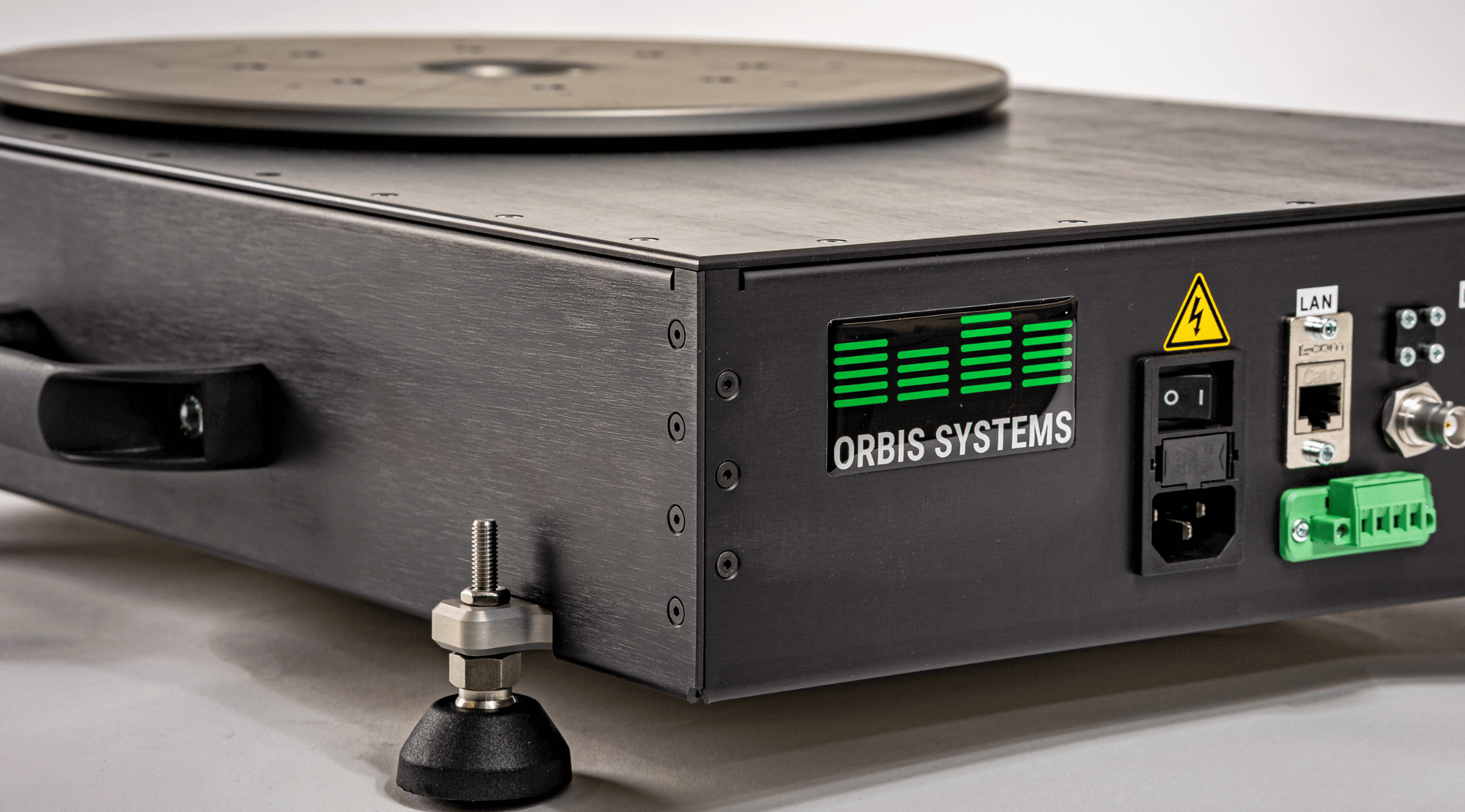
What Is an RF Test AZ Positioner?
An RF Test AZ Positioner is a motorized positioning system that rotates a device or antenna around its vertical axis, commonly known as the azimuth axis. It enables engineers to measure RF performance from multiple angles while maintaining precise positioning throughout the testing process.
These systems are widely used in antenna testing chambers, OTA testing environments, and wireless product development laboratories.
Why Are RF Test AZ Positioners Important?
RF performance can vary depending on the orientation of a device or antenna. Accurate positioning helps engineers capture complete radiation patterns and evaluate wireless performance under controlled conditions.
Without precise positioning, measurement inconsistencies can occur, reducing the reliability of test results.
Where Are RF Test AZ Positioners Commonly Used?
RF Test AZ Positioners are commonly used in:
Antenna testing facilities
OTA testing chambers
5G device validation
Wireless module testing
IoT product development
Aerospace and defense applications
Telecommunications research laboratories
Their versatility makes them valuable for a wide range of RF testing applications.
How Do RF Test AZ Positioners Work?
RF Test AZ Positioners use motorized drive systems to rotate a device under test through programmed angular positions. The movement can be manually controlled or integrated into automated testing software.
Engineers can perform measurements at specific angles or complete 360-degree scans to analyze device performance comprehensively.
What Does “AZ” Mean in RF Testing?
“AZ” refers to the azimuth axis, which represents horizontal rotation around a vertical center point.
In RF testing, azimuth movement allows engineers to evaluate how signal strength and antenna performance change as the device rotates horizontally.
This information is essential for creating accurate radiation patterns and validating wireless performance.
What Are the Benefits of Using RF Test AZ Positioners?
RF Test AZ Positioners provide several important advantages:
Improved Measurement Accuracy
Precise positioning helps eliminate measurement errors caused by manual movement.
Better Test Repeatability
Automated movement ensures consistent testing conditions across multiple test cycles.
Increased Efficiency
Positioners reduce manual intervention and accelerate data collection.
Enhanced Testing Automation
They integrate seamlessly with automated RF measurement systems.
Reliable Radiation Pattern Analysis
Accurate positioning enables complete antenna characterization.
Are RF Test AZ Positioners Used in 5G Testing?
Yes. RF Test AZ Positioners play a significant role in 5G testing.
Modern 5G devices use advanced antenna technologies that require testing from multiple orientations. Positioners help engineers analyze beamforming performance, antenna coverage, and signal behavior across different angles.
Their accuracy supports reliable validation of next-generation wireless products.
What Features Should You Look for in an RF Test AZ Positioner?
When selecting a positioning system, consider:
Positioning accuracy
Angular resolution
Load capacity
Rotation speed
Automation compatibility
Control software integration
Mechanical stability
Chamber compatibility
Choosing the right features depends on the testing requirements and application environment.
Can RF Test AZ Positioners Be Integrated with Automated Test Systems?
Yes. Many modern RF Test AZ Positioners are designed for full automation.
Integration with measurement software allows engineers to synchronize movement with data collection, reducing testing time and improving operational efficiency.
Automated workflows also minimize human error and improve test consistency.
How Do RF Test AZ Positioners Improve OTA Testing?
Over-the-Air testing requires devices to be measured in multiple orientations to evaluate wireless performance accurately.
RF Test AZ Positioners automate the rotation process, enabling:
Consistent device positioning
Faster testing cycles
Improved measurement repeatability
More accurate antenna pattern analysis
These benefits make them a key component of OTA testing environments.
Are RF Test AZ Positioners Suitable for Future Wireless Technologies?
Absolutely.
As wireless technologies continue to evolve beyond 5G, testing requirements will become increasingly complex. RF Test AZ Positioners provide the precision and flexibility needed to support future antenna designs, advanced communication systems, and next-generation connectivity solutions.
Their ability to integrate with automated testing platforms makes them a long-term investment for modern RF laboratories.
Optimize Your RF Testing with Advanced AZ Positioning Solutions
Accurate positioning is essential for reliable antenna measurements and OTA testing. RF Test AZ Positioners help engineers achieve greater measurement accuracy, improved repeatability, and more efficient testing workflows. Investing in the right positioning technology can enhance testing performance while supporting current and future wireless development projects. Orbis Systems provides advanced RF test positioning solutions designed to meet the evolving demands of wireless testing, helping organizations achieve precise, reliable, and scalable measurement results.