A Beginner’s Guide to Custom Azimuth Positioners: Features, Benefits, and Applications

As wireless technologies continue to evolve in 2026—driven by 5G expansion, IoT ecosystems, and advanced satellite communications—precision in antenna testing has become more critical than ever. Engineers and testing labs are under constant pressure to ensure accurate signal measurements, repeatable test results, and faster validation cycles. This is where custom azimuth positioners play a vital role.
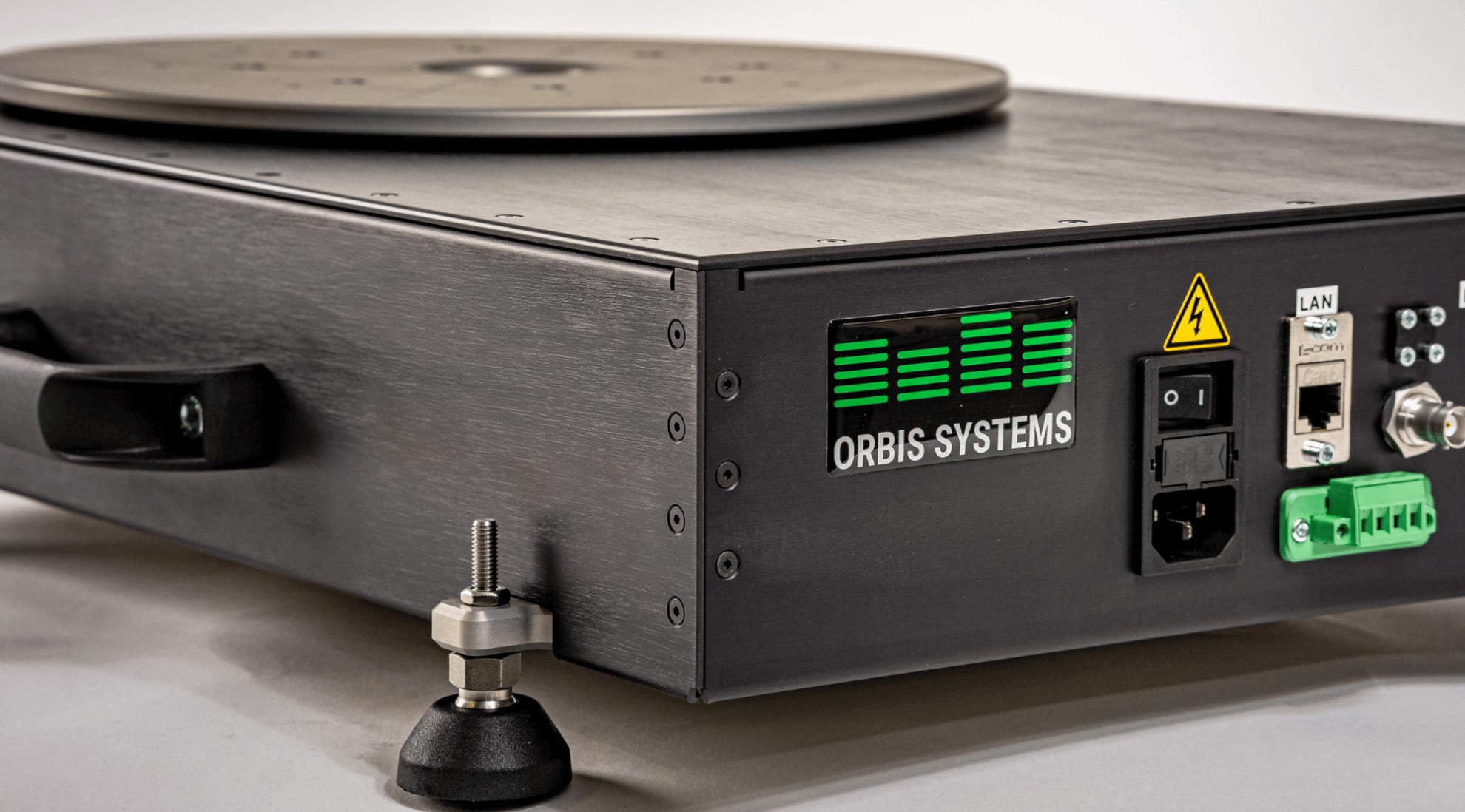
These systems are designed to rotate antennas or devices with extreme precision, enabling accurate angle-based testing in RF environments. Whether it’s for telecom, automotive radar, or aerospace applications, azimuth positioning solutions are becoming indispensable in modern test setups.
Key Takeaways
Custom azimuth positioners enable precise rotational control for accurate RF and antenna testing
They improve repeatability, efficiency, and automation in testing environments
Modular and customizable designs support evolving testing requirements
These systems are widely used in telecom, automotive, aerospace, and research labs
Choosing the right solution depends on accuracy, load capacity, and integration capabilities
Understanding Azimuth Positioning in RF Testing
At its core, an azimuth positioner is a mechanical system that rotates an object—typically an antenna—around a vertical axis. This rotation allows engineers to measure signal performance from different angles, which is essential for validating radiation patterns and ensuring device reliability.
In modern RF labs, off-the-shelf solutions may not always meet specific testing requirements. That’s why many organizations are turning to custom azimuth positioners, which can be tailored to handle unique loads, sizes, and precision demands.
With increasing complexity in wireless devices, customization is no longer optional—it’s a necessity.
Why Precision Matters More Than Ever
Wireless communication systems rely heavily on accurate signal transmission and reception. Even minor deviations in antenna positioning can lead to incorrect data, failed compliance tests, or performance issues in real-world scenarios.
Custom-built azimuth systems address this challenge by offering:
High angular accuracy for detailed measurements
Smooth and controlled rotation for consistent testing
Integration with automated test systems for efficiency
In industries like automotive radar testing or satellite communication, where precision is non-negotiable, these capabilities make a significant difference.
Key Features of Custom Azimuth Positioners
When exploring azimuth positioning systems, understanding their core features can help you make informed decisions.
1. High-Precision Rotation
Custom systems are engineered to deliver accurate angular movement, often with minimal error margins. This ensures reliable and repeatable test results.
2. Load Handling Flexibility
Different testing scenarios require handling various device sizes and weights. Custom designs allow positioners to support lightweight IoT devices or heavier antenna arrays.
3. Seamless Automation Integration
Modern test environments demand automation. These positioners can integrate with software-controlled systems, enabling synchronized testing workflows.
4. Modular Design Options
Scalability is a key advantage. Modular configurations allow users to expand or modify their systems as testing requirements evolve.
5. Durability and Stability
High-quality materials and robust construction ensure long-term reliability, even in intensive testing environments.
Benefits of Using Custom Azimuth Positioners
Improved Testing Accuracy
Accurate rotation leads to precise measurements, which is essential for validating antenna performance and ensuring compliance with industry standards.
Enhanced Efficiency
Automation capabilities reduce manual intervention, speeding up testing processes and minimizing human error.
Greater Flexibility
Custom solutions can adapt to specific testing needs, making them suitable for diverse applications.
Cost Optimization Over Time
While initial investment may be higher, customized systems reduce the need for frequent upgrades or replacements, leading to long-term savings.
Common Challenges and How to Overcome Them
1. Integration Complexity
Many labs struggle with integrating new systems into existing setups. Choosing positioners with compatible interfaces and control systems can simplify this process.
2. Space Constraints
Testing environments often have limited space. Compact and modular designs can help maximize efficiency without compromising performance.
3. Calibration and Maintenance
Regular calibration is essential for accuracy. Opting for systems with easy maintenance features can reduce downtime.
4. Evolving Technology Requirements
As wireless standards evolve, testing needs change. Investing in scalable and future-ready solutions ensures long-term usability.
Applications Across Industries
Custom azimuth positioners are used across a wide range of sectors:
Telecom and 5G Testing
They help evaluate antenna performance, beamforming, and signal coverage in advanced communication systems.
Automotive Radar Systems
In autonomous vehicles, accurate radar testing is crucial. Positioners enable precise angle-based measurements for safety validation.
Aerospace and Defense
Used in satellite communication and radar testing, these systems ensure reliable performance in critical applications.
IoT Device Testing
With the rise of connected devices, azimuth positioning helps validate signal strength and connectivity in various environments.
Research and Development Labs
Universities and research institutions rely on these systems for experimental testing and innovation.
Best Practices for Selecting the Right Solution
Choosing the right azimuth positioning system requires careful evaluation. Here are some practical tips:
Define Your Testing Requirements
Understand the type of devices, frequency ranges, and precision levels needed for your applications.
Consider Load Capacity
Ensure the system can handle current and future device weights without compromising stability.
Evaluate Integration Capabilities
Look for solutions that can seamlessly connect with your existing test equipment and software.
Prioritize Accuracy and Repeatability
High precision is essential for reliable results, especially in compliance testing.
Plan for Scalability
Choose modular systems that can adapt to future testing needs.
Implementation Tips for Maximum Efficiency
To get the most out of your investment:
Automate repetitive testing processes to save time
Regularly calibrate the system for consistent accuracy
Train staff on system operation and maintenance
Monitor performance metrics to identify improvement areas
By following these practices, organizations can optimize their testing workflows and improve overall productivity.
Frequently Asked Questions (FAQs)
1. What are custom azimuth positioners used for?
They are primarily used in RF and antenna testing to rotate devices and measure signal performance from different angles, ensuring accurate and reliable results.
2. How do custom azimuth positioners differ from standard models?
Custom solutions are tailored to specific requirements, offering better precision, load capacity, and integration compared to generic systems.
3. Are custom azimuth positioners suitable for small labs?
Yes, modular and compact designs make them suitable for labs of all sizes, including those with limited space.
4. What factors affect the accuracy of an azimuth positioner?
Key factors include mechanical design, motor precision, calibration, and environmental conditions.
5. Can these systems be integrated with automated testing setups?
Absolutely. Most modern systems are designed for seamless integration with automated workflows, improving efficiency and consistency.
6. How often should azimuth positioners be maintained?
Regular maintenance and calibration schedules depend on usage but are essential for ensuring long-term accuracy and performance.
Ready to Elevate Your RF Testing Capabilities?
As wireless technologies continue to advance, investing in precise and reliable testing solutions is no longer optional—it’s a strategic necessity. Custom azimuth positioners provide the flexibility, accuracy, and scalability needed to meet modern testing demands across industries.
For organizations looking to enhance their RF testing infrastructure with innovative and high-performance solutions, Orbis Systems stands out as a trusted partner—delivering advanced, customizable systems designed to meet the evolving challenges of today’s connected world.